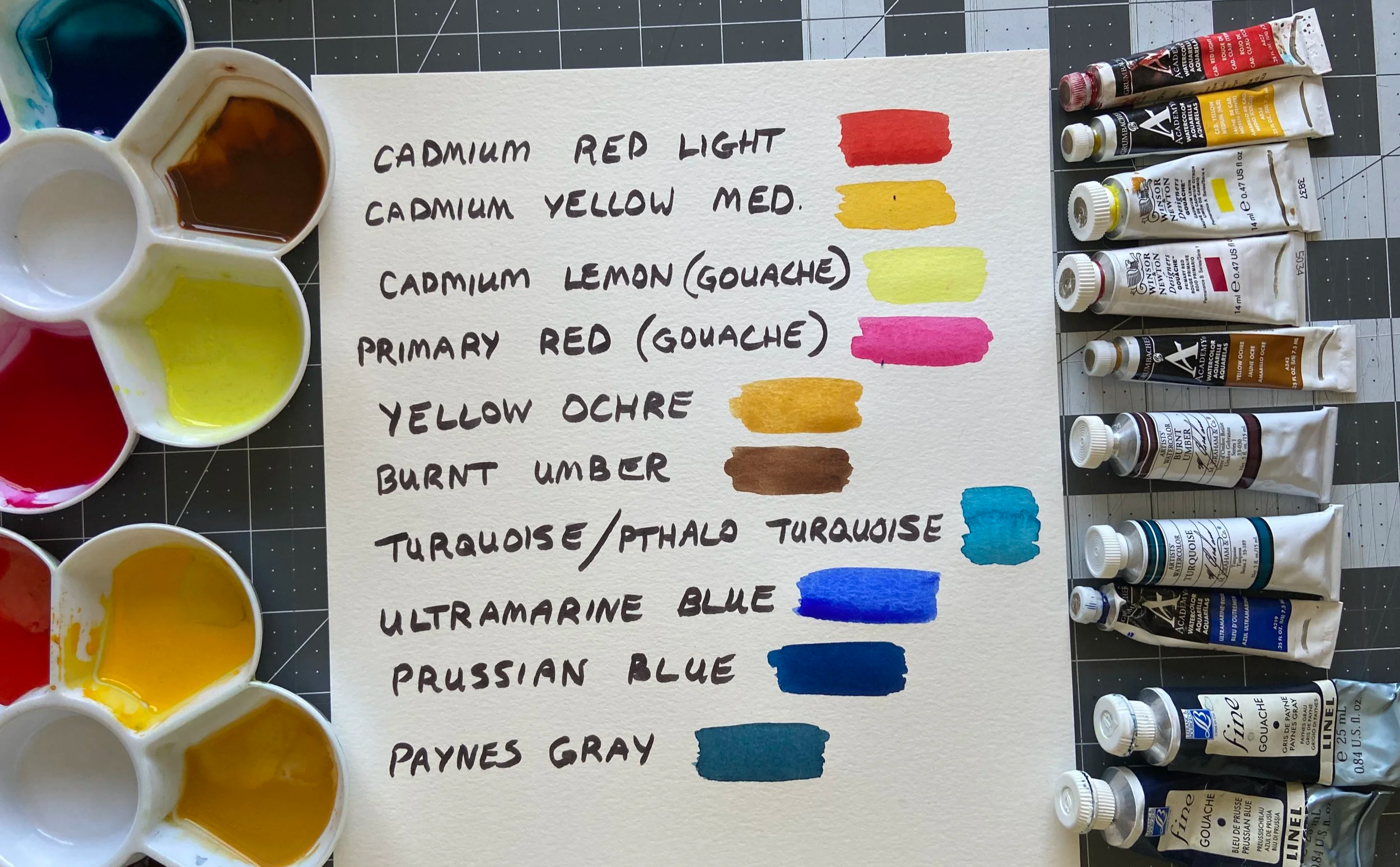
SUPPLIES LIST ~ WATERCOLOR FROM THE TUBE
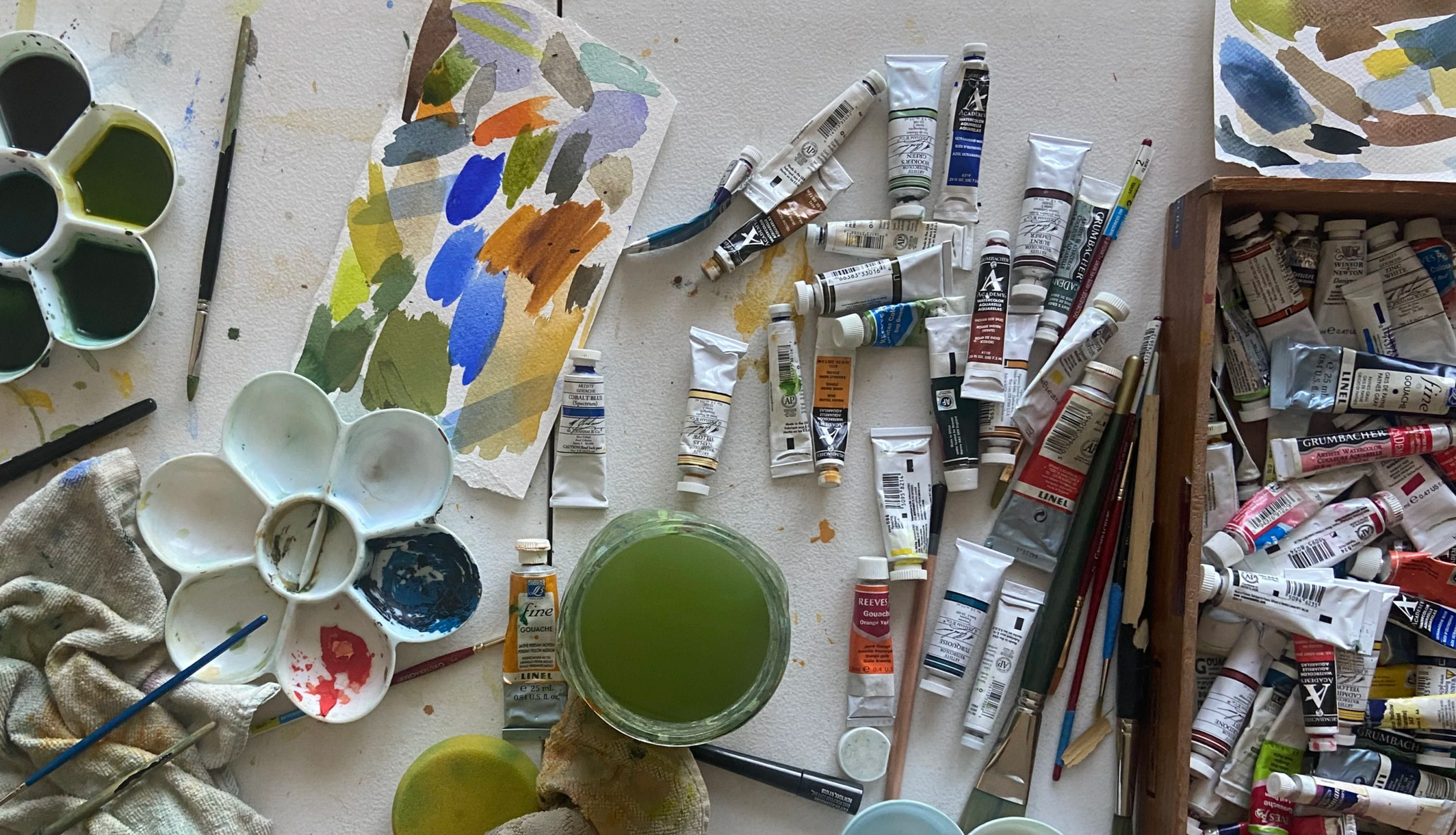
Have you ever wondered how people create vibrant, watercolor paintings? Perhaps you’ve only ever used some cheap watercolor color palettes as a child and thought that was all watercolor had to offer. I was there too, until I was in college and was introduced to watercolor from the tube. With 10 years pursuing my career as a professional artist, it is still my favorite paint to work with!
My Essential Supplies + Amazon Links to Shop:
(I also encourage you to support your local art supply store!)
~ WATERCOLOR PAPER ~
Use 140lb. paper for practice + less precious paintings
Use 300 lb. paper for final artwork ( I find it holds up quite well to warping, so I don’t worry about stretching my paper)
Hot Press paper is smoother, Cold Press paper has more texture (I tend to use Cold Press - everyone has their preferences!)
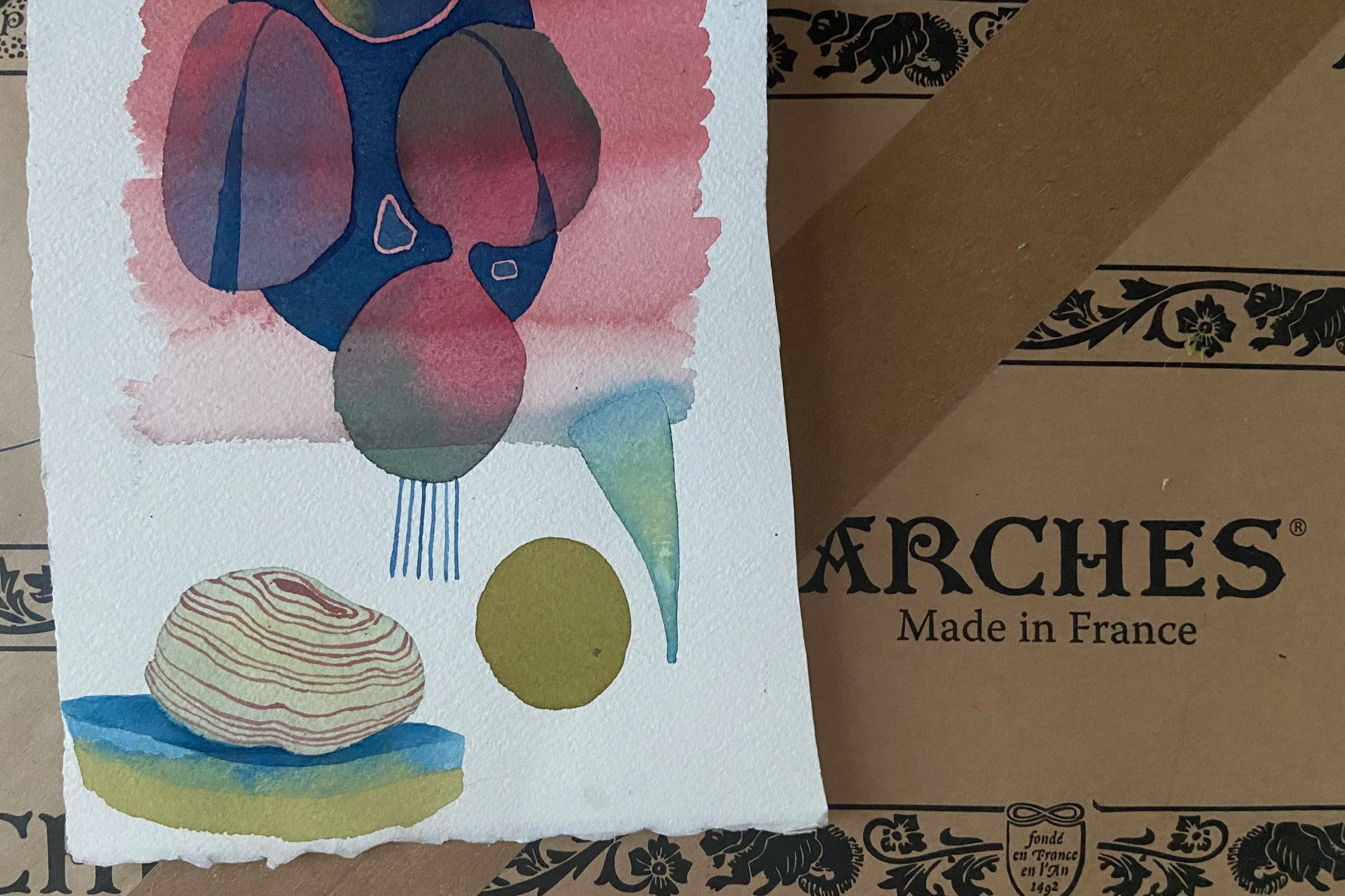
My favorite paper is Arches brand
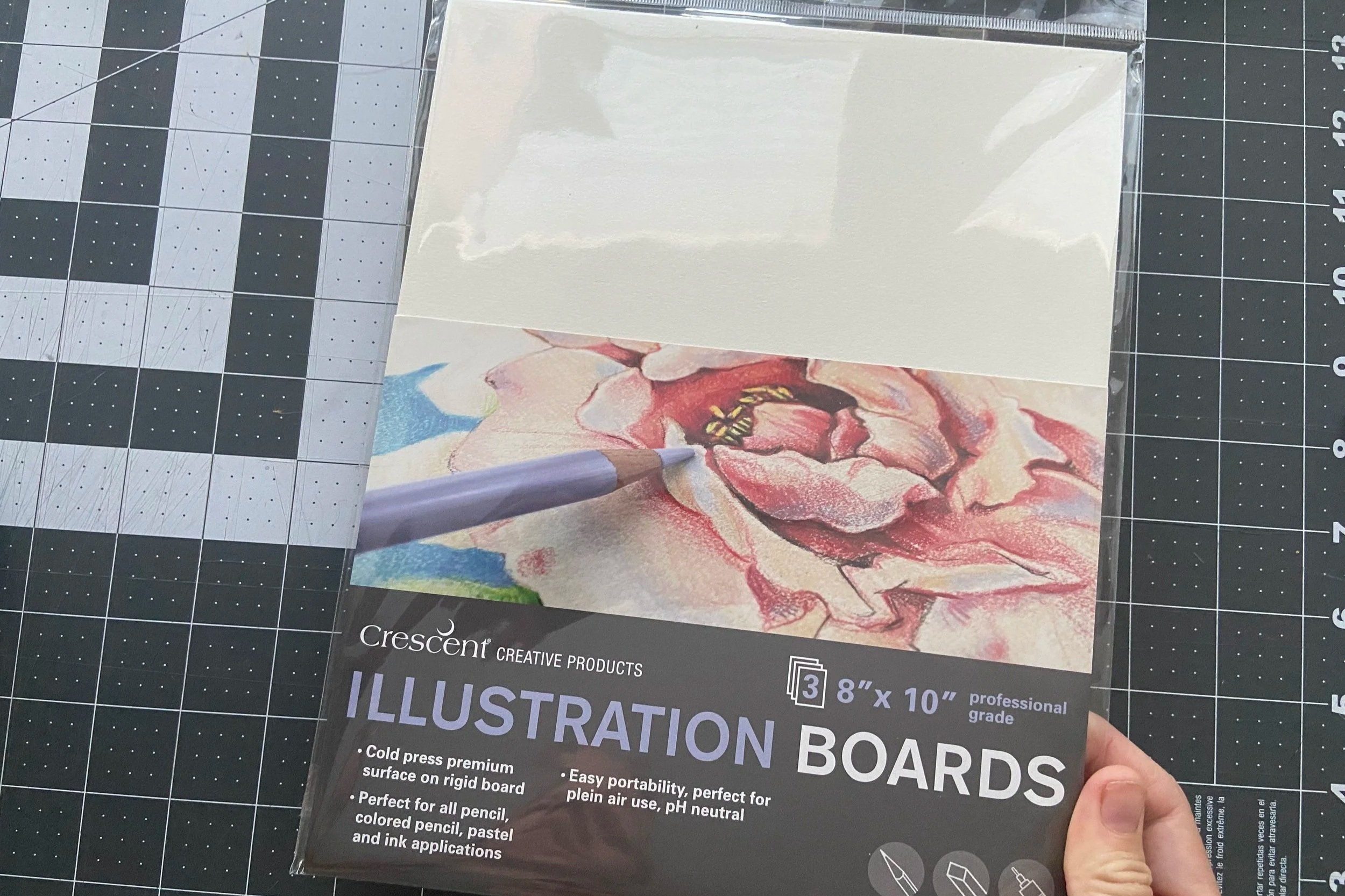
~ ILLUSTRATION BOARD ~ (another option for painting on)
I use #300 Cold Press board (I tend to purchase Crescent brand)
Cold Press is best for wet media vs. Hot Press is best for dry media
PROS - You have a thick surface to work on and don’t have to worry about warping
CONS - I find illustration board soaks up the water quicker than watercolor paper, so you have less time to move your paint around before it dries.
~ WATERCOLOR BRUSHES ~
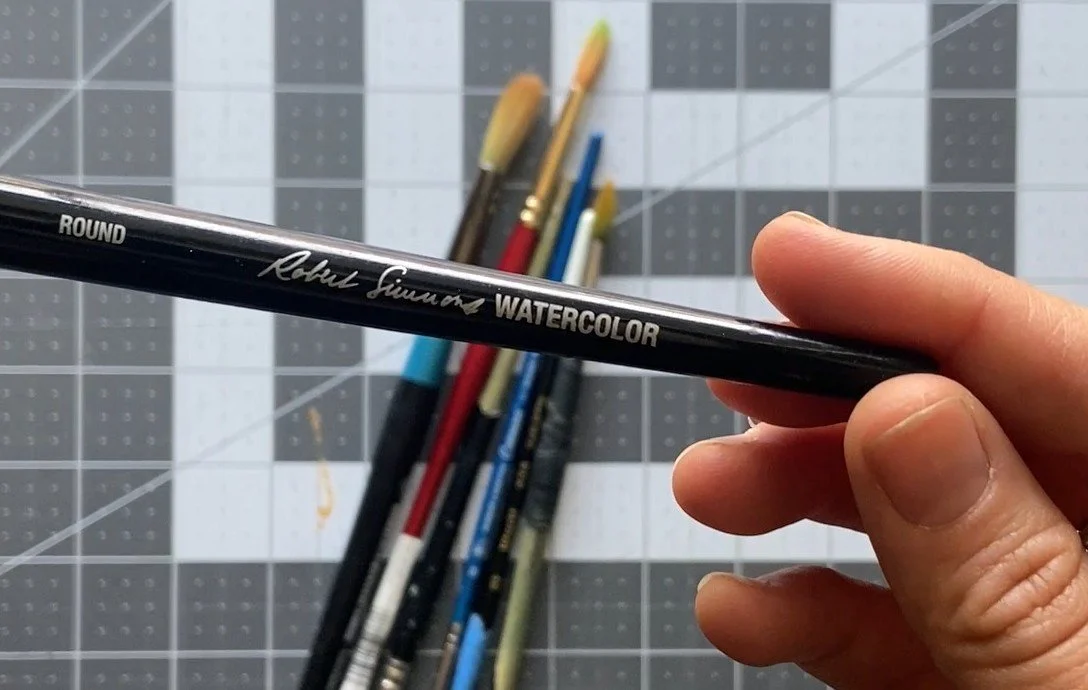
There are Flat and Round brushes (Here’s a great brush set with both kinds)
I mostly use round brushes, but sometimes use my large flat brushes for big washes of color
There is variety of student grade and artist grade options!
Cotman brushes are a great affordable student grade option.
Pro-tip: Dedicate one flat brush for mixing paint so you don’t damage your other brushes
~ PALETTE for MIXING PAINT ~
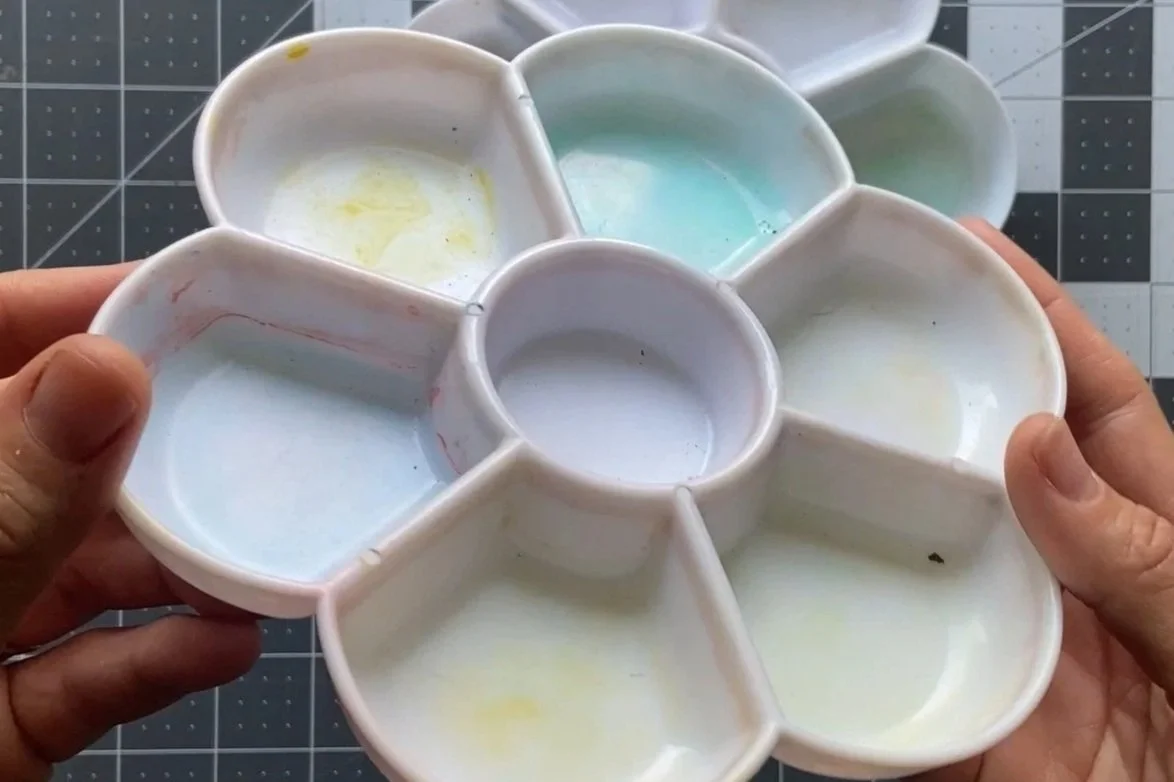
I like these flower palettes with deep wells for mixing
I recommend purchasing a few palettes along the way so that you have plenty of space to develop color
I clean them easily and quickly with a sponge and water
~ WATER DROPPER ~
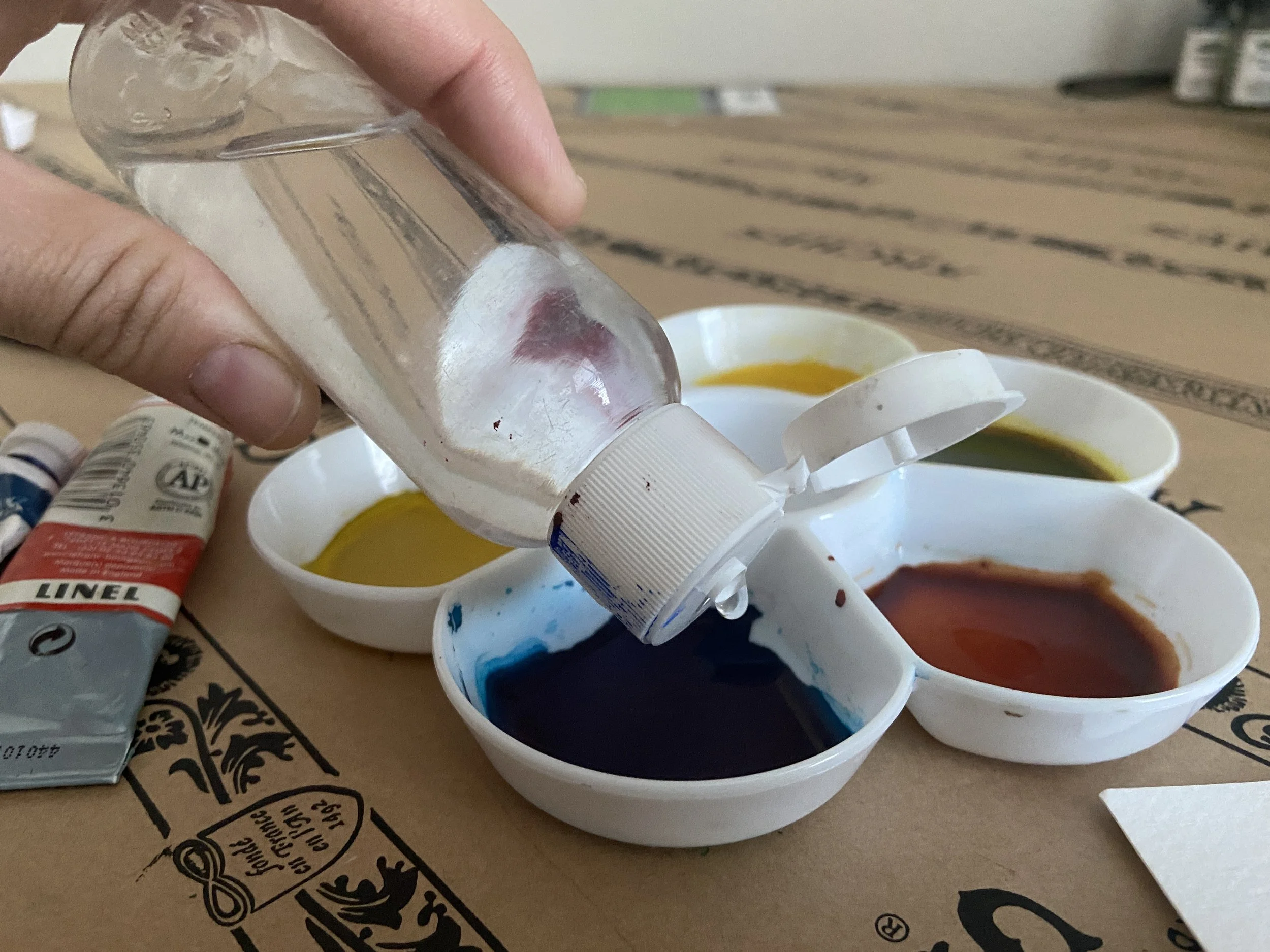
I like using a small travel bottle for adding water into the paint in the palette and controlling how much water I’m adding
You could also use a squeeze bottle of some sort, but that can be harder to control the flow
~ SCRAPS of WATERCOLOR PAPER ~ for testing color
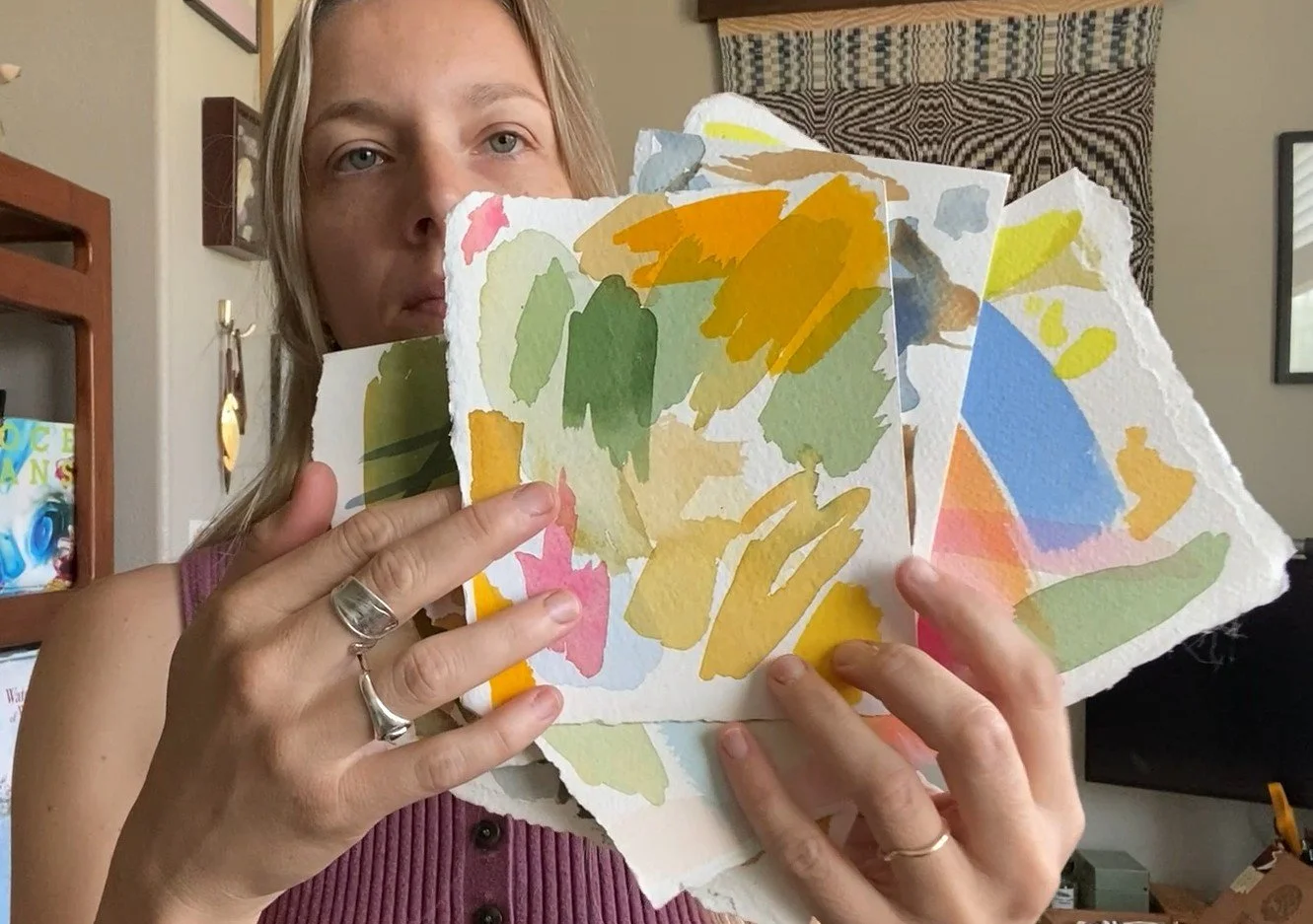
Keep scraps of 140 lb. watercolor paper on hand for testing your colors as you paint.
It’s important to use watercolor paper because it will show the true color that you paint is going to dry as!
I like to have scraps that are around the size of my hand - not too big that they get in the way, but not too small either
~ CUP of WATER
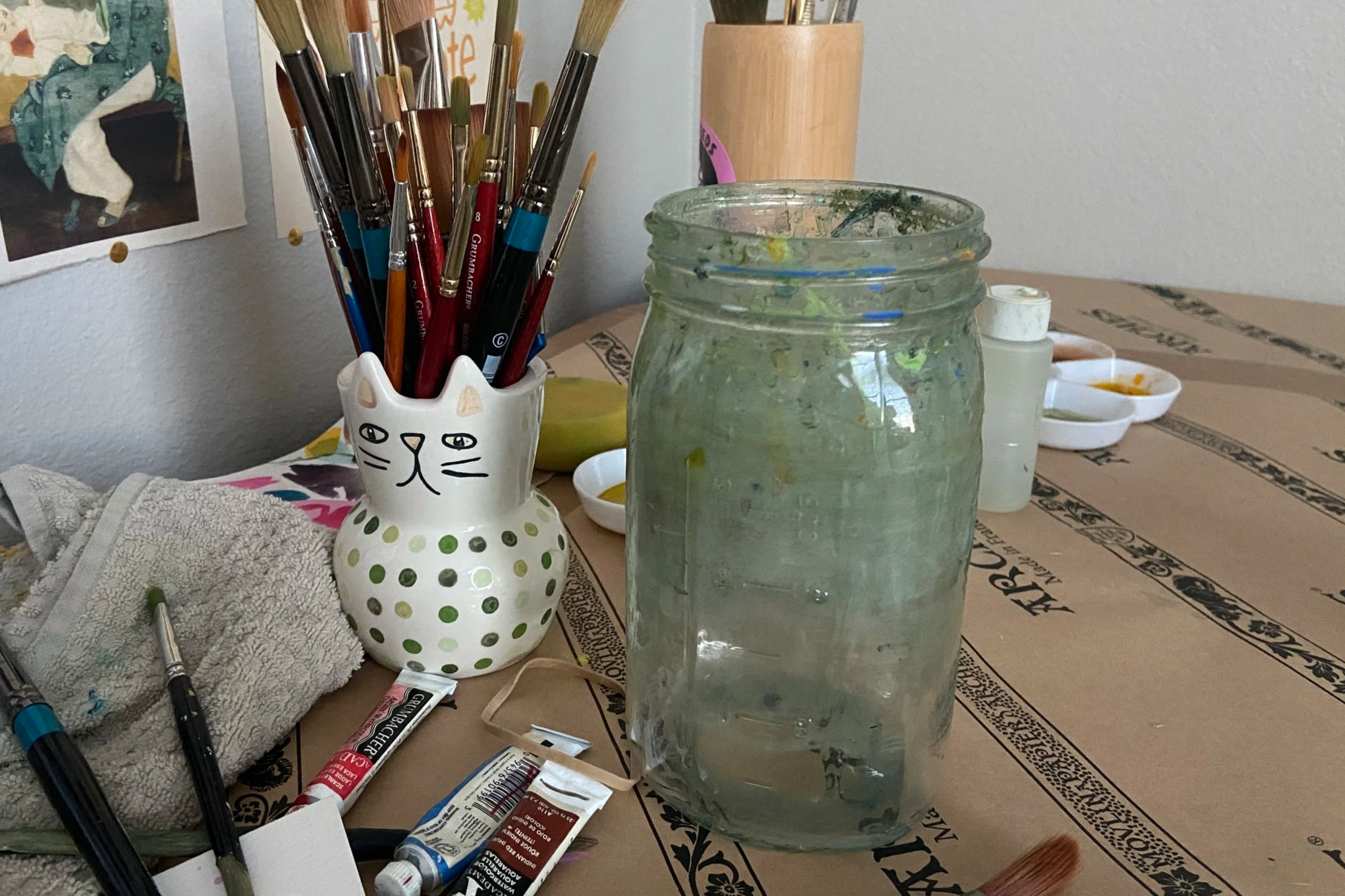
Use some kind of large cup for rinsing your brushes off between using colors
I use a large mason jar, but any kind of large cup or container will do
Pro Tip: Have 2 cups for rinsing: one for the first rinse and the second for an extra clean rinse!
~ HAND TOWEL ~ for wiping brush off
I have a reusable cloth hand towel that I use for wiping paint off my brushes before or after rinsing my brush
last but not least…
~ The PAINT ~
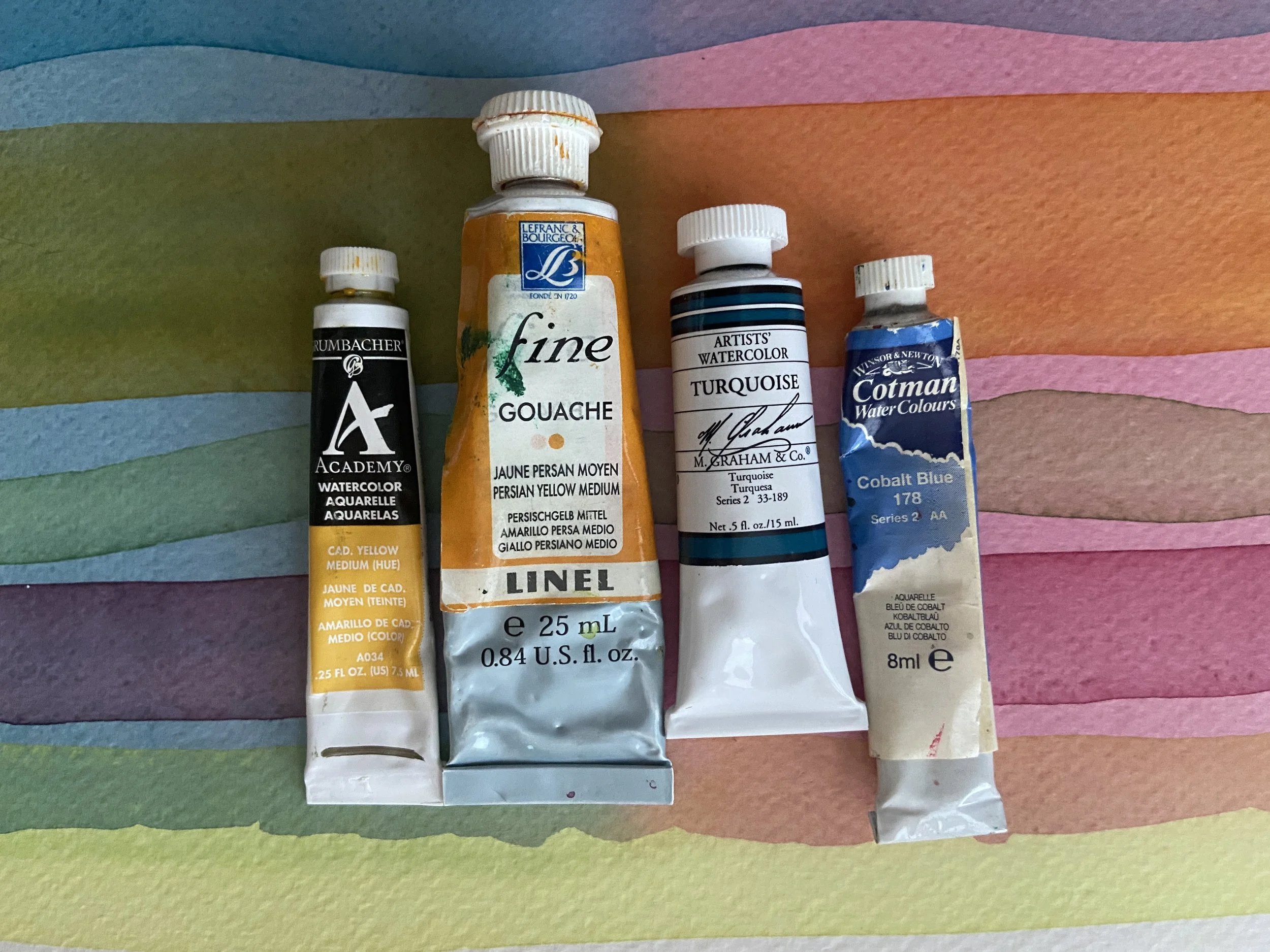
Paint comes as Student grade (most affordable) and Artist/Professional grade options (more pigmented and archival lightfastness)
Some Student grade options: Grumbacher Academy and Winsor & Newton Cotman
Some Professional grade options: Winsor & Newton Professional Series, M.Graham & Co., Grumbacher Finest
I also use gouache paint interchangeably with watercolor
Gouache comes in Student grade and Professional grade options as well, but I am only familiar with a few of the Professional grade options I have used
Gouache brands I’ve used and enjoyed: Lefranc & Bourgeois, Winsor & Newton, and Holbein